
Parenting
Using Playfulness in Transitions: Helping Kids Move Between Activities
Using Playfulness in Transitions: Helping Kids Move Between Activities
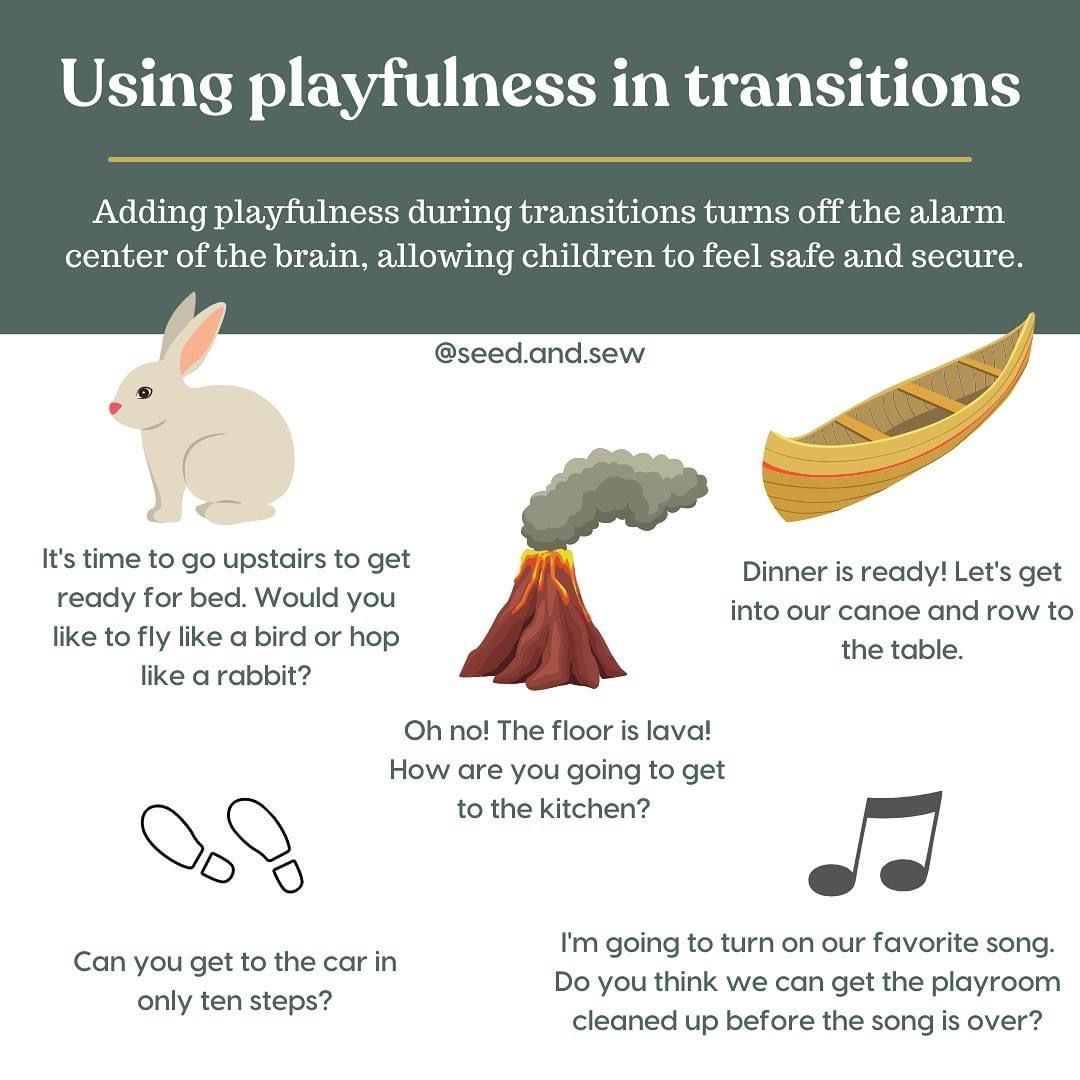
Transitions can be difficult for children. Moving from playtime to dinner, from downstairs to bedtime, or from the house to the car may feel sudden and frustrating to a young child.
The image explains how adding playfulness during transitions can help children feel safe and secure. This article turns that idea into practical examples parents and caregivers can use during everyday routines.
Why Transitions Feel Hard
Children often need more time than adults to shift attention. When a preferred activity ends suddenly, the brain may react with resistance, tears, or avoidance.
How Playfulness Helps
Playfulness lowers tension. Instead of presenting a transition as a command, it turns the next step into a small game. That sense of choice and imagination can make cooperation easier.
Examples You Can Try
- For bedtime: ask whether they want to hop like a rabbit or fly like a bird up the stairs.
- For dinner: pretend the floor is lava and travel safely to the table.
- For cleanup: play one favorite song and race to finish before it ends.
- For leaving the house: count ten giant steps to the car.
- For washing hands: pretend fingers are tiny superheroes getting ready for action.
Keep the Choices Simple
Offer two playful choices, not ten. Too many options can create another delay. The goal is to help the child feel involved while still moving toward the necessary task.
Use a Warm, Confident Tone
Playfulness works best when the adult stays calm. A light voice, a smile, and a clear expectation make the transition feel safe while still keeping the routine moving.
Final Thoughts
Playful transitions do not mean giving up structure. They are a gentle way to combine connection with direction, helping children move through the day with more ease and less conflict.
