
DIY
How to Mix Turquoise, Teal, Sage, Tortilla, and Clay Paint Colors
How to Mix Turquoise, Teal, Sage, Tortilla, and Clay Paint Colors
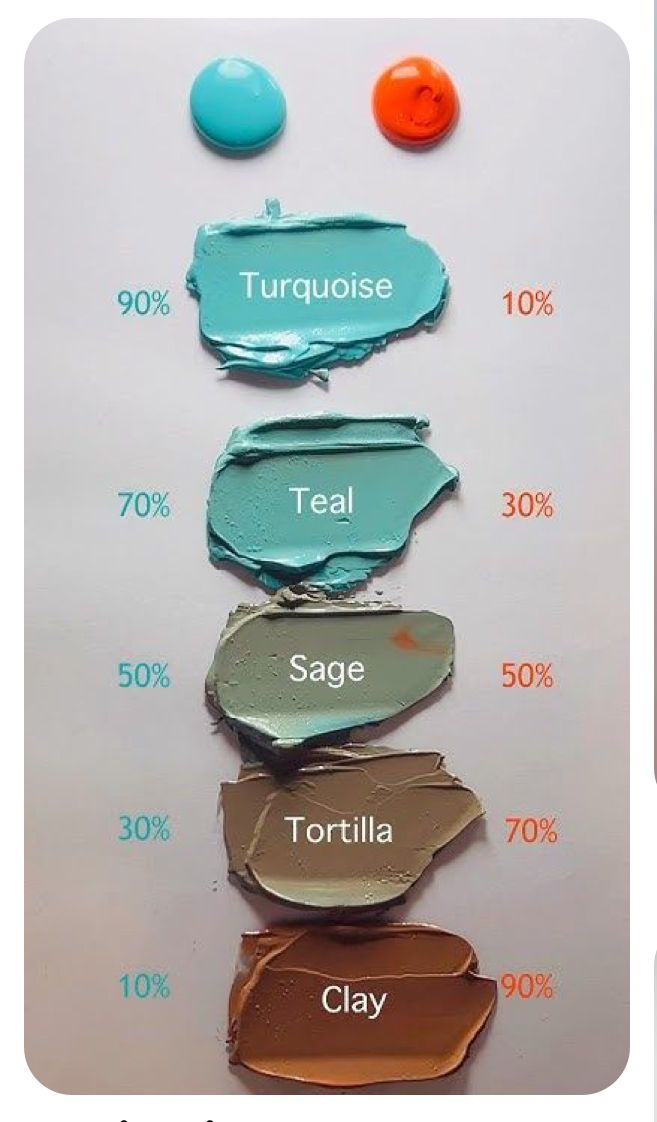
Color mixing is one of the easiest ways to create a custom palette. The image shows how changing the balance between cool blue-green and warm orange-brown tones can create a range of colors from turquoise to clay.
This guide explains how to think about those transitions so you can make more intentional color choices for painting, crafts, decor, and design projects.
Understanding the Color Shift
When a cool color is mixed with a warm earthy color, the result gradually becomes softer, more muted, and more natural. A high percentage of blue-green creates turquoise, while a high percentage of warm brown-orange creates clay.
Suggested Mixing Ratios
- Turquoise: mostly blue-green with a small amount of warm tone.
- Teal: a strong blue-green base with more warmth added.
- Sage: a balanced mix that becomes muted and earthy.
- Tortilla: mostly warm tan-brown with a smaller cool influence.
- Clay: mostly warm reddish-brown with only a hint of cool tone.
Tips for Better Paint Mixing
- Start with small amounts so you do not waste paint.
- Add the darker or stronger color slowly.
- Mix thoroughly before judging the final shade.
- Let paint dry before making final decisions because colors can shift as they dry.
- Write down your ratios if you want to recreate the same color later.
Where These Colors Work Best
Turquoise and teal are lively choices for accent art, coastal decor, and playful designs. Sage, tortilla, and clay feel warmer and more natural, making them useful for earthy palettes, classroom projects, boho decor, or muted backgrounds.
Creating a Cohesive Palette
Because all five shades are related through the same color-mixing path, they can work well together in one palette. Use turquoise or teal as the pop of color and sage, tortilla, or clay as supporting tones.
Final Thoughts
A simple color-mixing chart can teach a lot about balance, temperature, and tone. By adjusting the ratio slowly, you can move from bright turquoise to grounded clay while keeping the palette connected.
