
Health
Tiny Splinter First Aid: Safe Steps for Cleaning and Removing Small Splinters
Tiny Splinter First Aid: Safe Steps for Cleaning and Removing Small Splinters
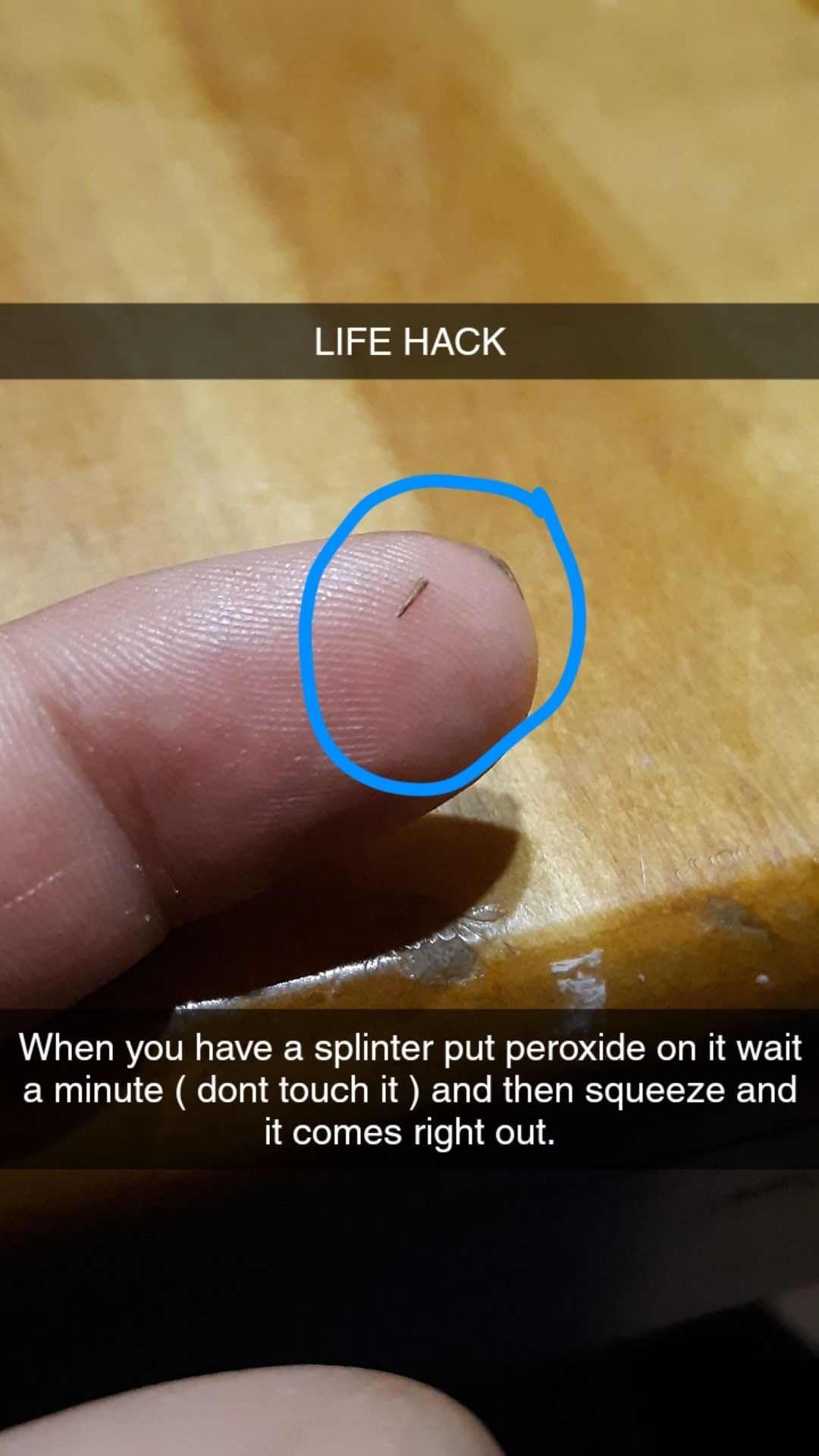
Learn general first-aid steps for handling a small splinter, including cleaning the area, using clean tweezers, and knowing when to seek help.
This image-inspired guide turns the visual idea into a practical article with simple tips, easy steps, and helpful details you can save for later.
Start With Clean Hands
A tiny splinter can be annoying, but the first step is always cleanliness. Wash your hands and the affected area with soap and water before trying to remove anything.
General Steps
- Look closely under good lighting.
- Use clean tweezers if the end of the splinter is visible.
- Pull gently in the same direction it entered.
- Wash the area again afterward.
- Cover with a clean bandage if needed.
What to Avoid
Do not dig deeply into the skin with dirty tools. Avoid forcing removal if the splinter is deep, painful, near the eye, or difficult to see.
When to Get Help
Seek professional care if the splinter is large, deeply embedded, causes increasing redness or swelling, or if you are concerned about infection or tetanus risk.
Final Thoughts
Small splinters are common, but safe removal matters. Clean skin, clean tools, and gentle handling are better than rushing the process.
