
Visual Blogging
Creative Visual Reference: How One Pin Can Become a Full Blog Article
Creative Visual Reference: How One Pin Can Become a Full Blog Article
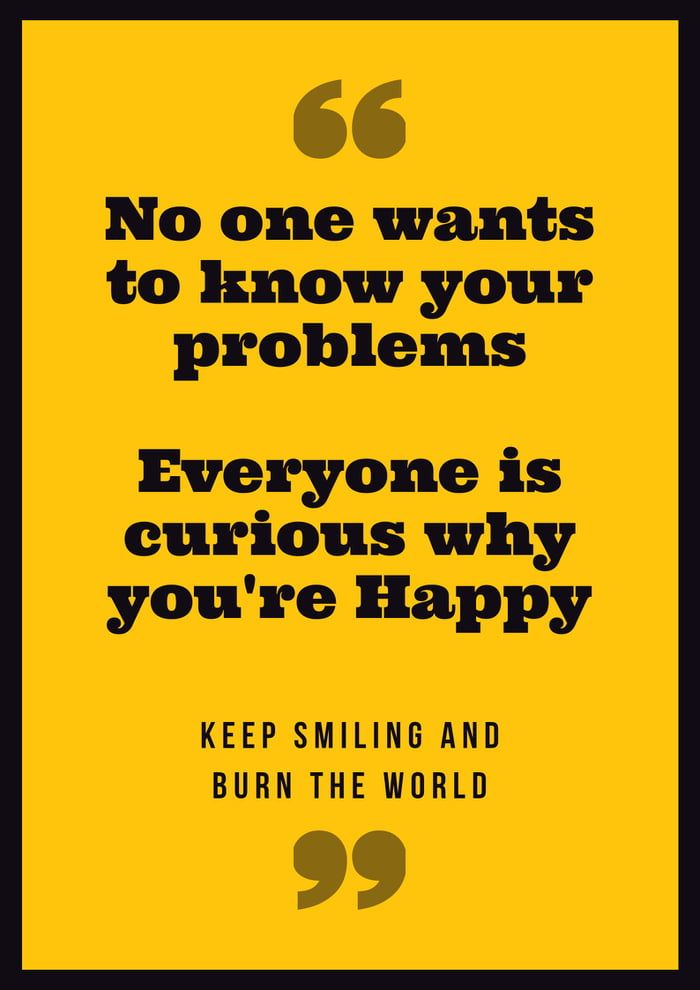
This post is built around the actual image above, not a generic template. The visual direction is clear: a strong visual reference image that can be expanded into a helpful blog post with a specific audience, keyword angle, and shareable takeaway. That gives the article a specific topic, a specific reader, and a reason to be saved from Pinterest.
What the Image Communicates
The image works because it has a recognizable mood and a focused subject. A good blog post should explain that mood, connect it to a practical idea, and help the reader understand why the visual is useful.
- The main visual cue is a strong visual reference image that can be expanded into a helpful blog post with a specific audience, keyword angle, and shareable takeaway.
- The strongest blog angle is visual blogging, because the image already gives readers a clear reason to save it.
- The post should not be treated as a generic image dump; it works best when the visual details lead the article structure.
- Useful keyword directions include: visual reference; blog article idea; Pinterest blog post; image specific content; creative workflow; content strategy.
How to Use This Idea
This image can be used for Pinterest boards, blog introductions, social captions, and design references. The best approach is to keep the title precise, describe the visible subject, and write around the feeling the picture creates.
Blog and Pinterest Angle
For Pinterest, this kind of image needs a direct title and a description that tells people what they will find after clicking. For a blog post, the article should expand the image into tips, interpretation, styling notes, design analysis, or emotional context depending on the category.
Suggested Takeaway
Use this visual as a focused visual blogging reference: describe what is visible first, then build the article around why that detail matters.
