
Music
Chord Progressions for Every Mood: Sad, Happy, Romantic, and Epic
Chord Progressions for Every Mood: Sad, Happy, Romantic, and Epic
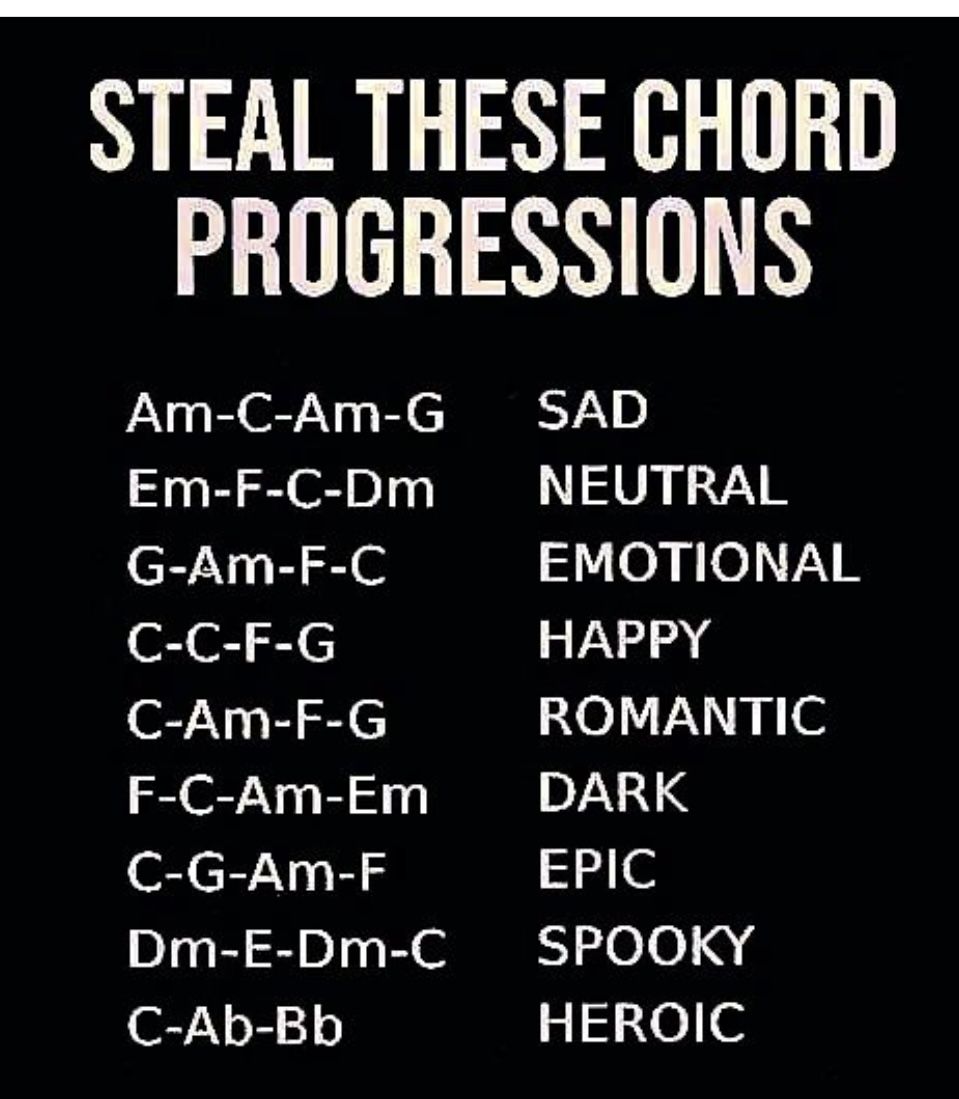
Learn how chord progressions create mood in songs, from sad and emotional to happy, romantic, dark, epic, spooky, and heroic sounds.
This image-inspired guide expands the idea into a practical, easy-to-read article with simple takeaways, creative context, and everyday examples.
Why Chords Create Emotion
A chord progression gives a song its emotional foundation. Even before lyrics or melody arrive, the movement between chords can suggest sadness, warmth, tension, or triumph.
Use Mood as a Starting Point
Instead of beginning with theory alone, choose the feeling you want the listener to experience. Then test progressions until one matches the emotional color of the song.
Practice Ideas
- Play one progression slowly and then quickly.
- Change the rhythm before changing the chords.
- Try the same progression in a different key.
- Hum a melody over each version.
- Record rough voice memos so you do not lose ideas.
Make It Your Own
A borrowed progression becomes yours through melody, lyrics, tempo, instrumentation, and arrangement choices.
Final Thoughts
Chord progressions are creative tools, not strict rules. Use them to find a mood, then shape that mood into a song that sounds like you.
