Education
The Anatomy of Your Heart: A Simple Guide to the Main Parts and Valves
The Anatomy of Your Heart: A Simple Guide to the Main Parts and Valves
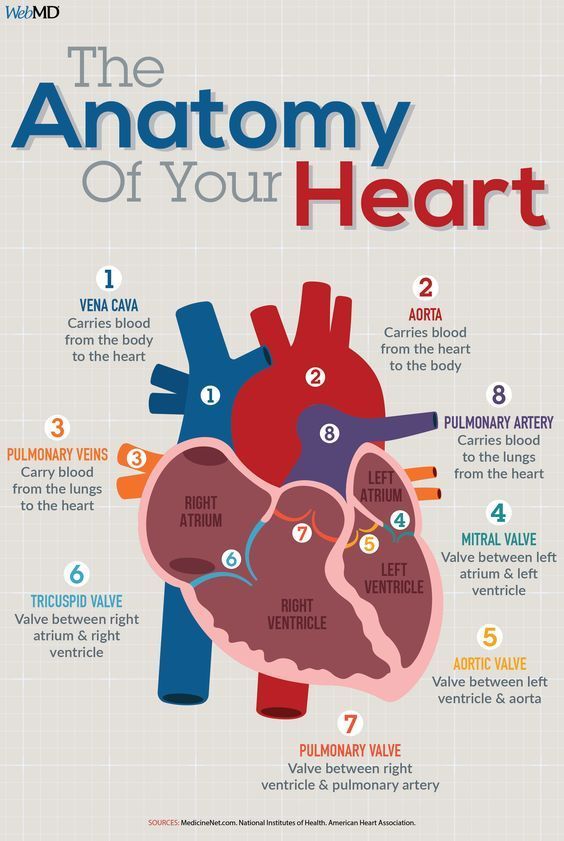
The heart may look complicated at first, but its structure becomes much easier to understand when you break it down into chambers, blood vessels, and valves.
The image presents a clear labeled heart diagram showing how blood enters, moves through, and leaves the heart. This guide explains the same ideas in simple language for students, parents, and anyone reviewing basic human anatomy.
The Heart's Main Job
The heart is a muscular pump. Its job is to move blood through the body so oxygen and nutrients can reach tissues while waste products are carried away.
The Four Chambers
- Right atrium: receives blood returning from the body.
- Right ventricle: pumps blood toward the lungs.
- Left atrium: receives oxygen-rich blood from the lungs.
- Left ventricle: pumps oxygen-rich blood to the rest of the body.
Important Blood Vessels
Several large vessels connect directly to the heart. The vena cava carries blood from the body to the heart, while the pulmonary artery carries blood from the heart to the lungs. The pulmonary veins return blood from the lungs to the heart, and the aorta carries blood from the heart to the body.
What Heart Valves Do
Valves act like one-way doors. They help blood move in the correct direction and reduce backflow.
- Tricuspid valve: between the right atrium and right ventricle.
- Pulmonary valve: between the right ventricle and pulmonary artery.
- Mitral valve: between the left atrium and left ventricle.
- Aortic valve: between the left ventricle and aorta.
Easy Way to Remember Blood Flow
A simple order is: body to right heart, right heart to lungs, lungs to left heart, and left heart to body. This cycle repeats every moment of the day.
Final Thoughts
Understanding heart anatomy is easier when you focus on the path of blood. Chambers receive and pump, vessels carry blood in and out, and valves keep everything moving in the right direction.
This article is for general educational purposes and is not medical advice.
