
Faith Story Art
Parable of the Lost Sheep Illustration: Vintage Faith Storytelling With Mountain Drama
Parable of the Lost Sheep Illustration: Vintage Faith Storytelling With Mountain Drama
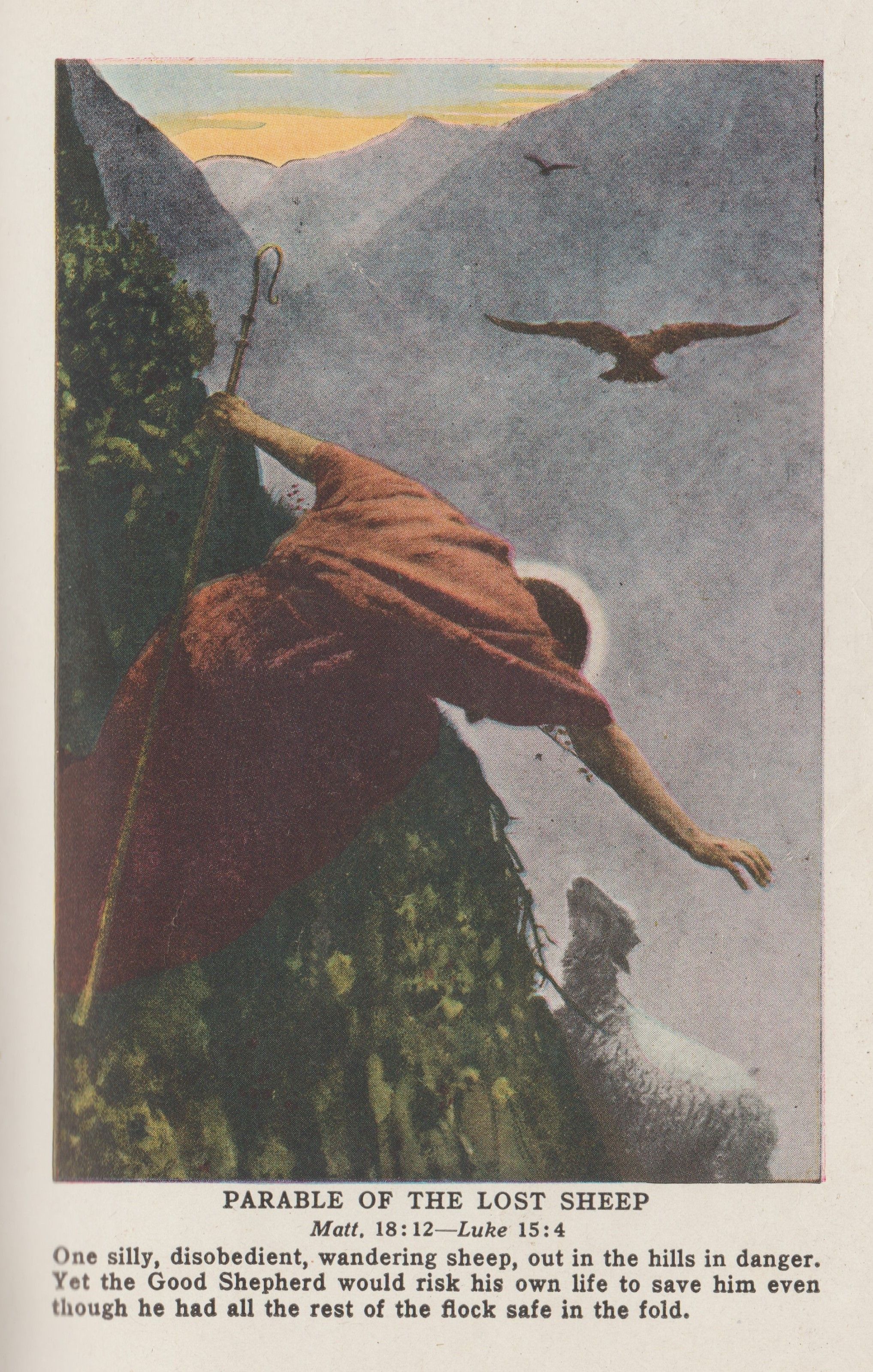
This post is written around the specific image shown above. The visual direction centers on vintage parable of the lost sheep illustration, while storybook print texture, mountain rescue scene, biblical caption mood gives the artwork its own mood, personality, and product-story potential.
The mood behind the artwork
The image works because it gives shoppers a clear reason to stop scrolling. It is not just a decoration; it suggests a lifestyle, a joke, a memory, a fandom, or a personal identity. That kind of visual clarity is useful for blog content because the reader can quickly understand who the design is for and why someone might save it, wear it, frame it, or gift it.
The visual ingredients
The design leans into a image-specific visual analysis direction. Its strongest details come from the way the subject, texture, contrast, and layout support one another. Whether the artwork feels funny, sentimental, nostalgic, bold, spooky, outdoorsy, or faith-centered, the composition gives the piece a more finished and merch-ready feeling.
How to use the design in a shop
- Use it as a image-specific visual analysis content angle for shoppers who enjoy faith story art visuals.
- Build Pinterest titles around the strongest emotional hook rather than only naming the product.
- Pair the artwork with clean mockups so the main visual remains easy to understand.
- Use keywords connected to vintage, niche gifting, visual mood, and design style.
Why it can work for Shopmenall content
Image-inspired blog posts perform best when they help viewers see the design as more than a file. This piece can support discovery because it describes the subject clearly, gives the artwork a style context, and connects the visual to real shopping situations. It can fit a gift guide, a niche outfit idea, a seasonal collection, or a Pinterest board for design inspiration.
Instead of treating every image the same way, this post gives the artwork its own angle. That makes the content more useful for readers and more natural for search engines because the language reflects the specific mood, subject, and audience of the image.
