
DIY
How to Make Brown Paint: Simple Color Mixing Ideas
How to Make Brown Paint: Simple Color Mixing Ideas
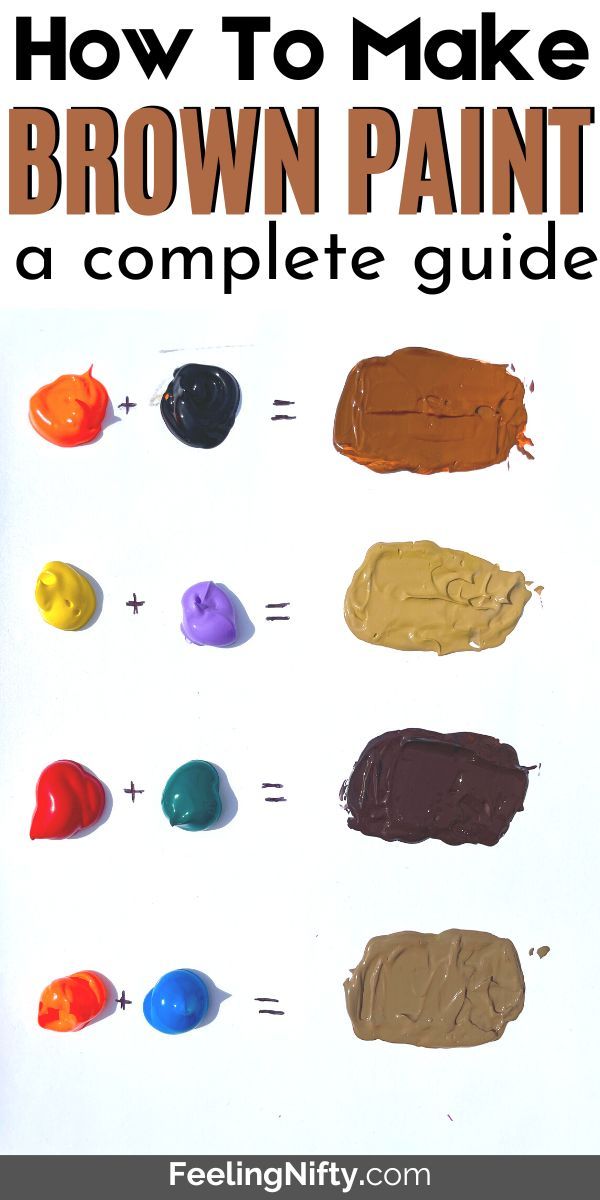
Brown paint can be mixed in many ways, which makes it one of the most useful colors for art and craft projects. The image shows several color combinations that create different brown tones.
Once you understand how warm and cool colors interact, you can make browns that look golden, reddish, muted, dark, or earthy.
Basic Color Mixing Principle
Brown often comes from mixing complementary colors or combining warm colors with cooler tones. Orange and blue, red and green, or yellow and purple can all create brown variations.
Mixing Tips
- Start with a small amount of paint
- Add darker colors slowly because they can overpower the mix
- Adjust warmth with red, orange, or yellow
- Mute a bright brown with a touch of blue or green
- Add white only after the brown tone is balanced
Different Brown Looks
For a warm caramel brown, use more yellow or orange. For a dark chocolate brown, add a deeper blue, green, or black carefully. For a natural taupe brown, soften the mixture with white and a little gray.
Keep a Color Record
If you find a brown you love, write down the approximate ratio or make a small swatch. This makes it easier to recreate later.
Final Thoughts
Learning to mix brown paint gives you more control over shadows, wood tones, skin tones, animals, landscapes, and backgrounds. Small changes in ratio can create a completely different mood.
