
Education
Everybody, Somebody, Anybody, Nobody: English Pronouns Made Simple
Everybody, Somebody, Anybody, Nobody: English Pronouns Made Simple
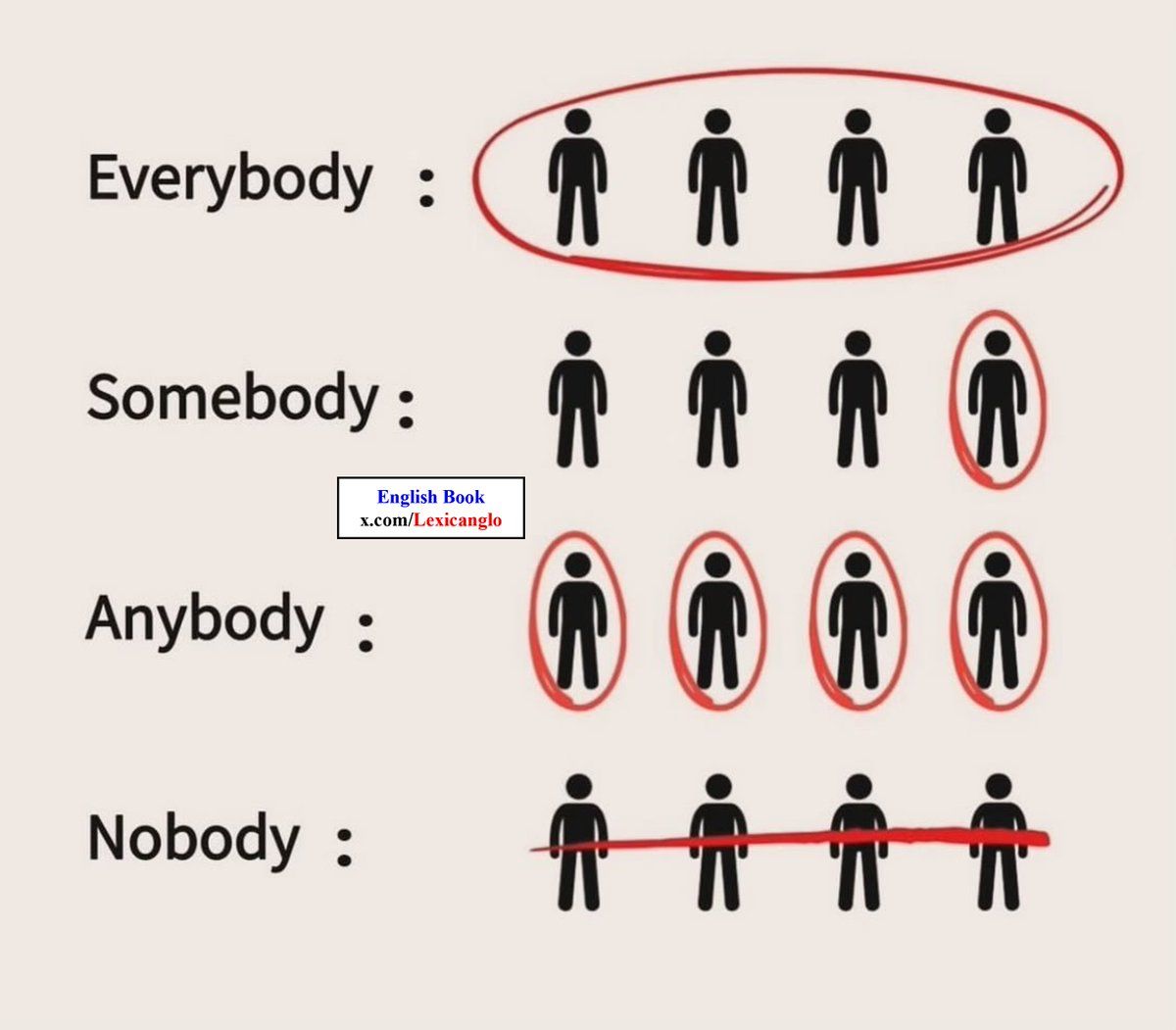
This image is a strong visual starting point for a practical, easy-to-read guide. Its message, layout, or subject can be expanded into useful ideas for readers who want inspiration and context.
Understand the difference between everybody, somebody, anybody, and nobody with simple examples, meaning, grammar tips, and usage notes.
What These Words Have in Common
Everybody, somebody, anybody, and nobody are indefinite pronouns. They refer to people without naming one specific person.
The Basic Difference
- Everybody means all people in a group.
- Somebody means one person, but the person is not named.
- Anybody means any person at all, often in questions or negatives.
- Nobody means no person.
Simple Examples
You can say, 'Everybody is here,' 'Somebody called me,' 'Does anybody know the answer?' and 'Nobody was in the room.' Each sentence changes the size or presence of the group.
Common Grammar Tip
These words usually take a singular verb in standard English. For example, say 'everybody is' rather than 'everybody are.'
Final Thoughts
Once you connect each word to a group size, the difference becomes much easier to remember and use naturally in conversation.
